





Opening Impression And Everyday Use
First impressions matter, but not for the reasons most players think. The real test is not the front banner or the colour palette. It is whether you can open the site, find the account button, spot the cashier, locate support, and reach a game category without feeling pushed around by clutter. Suppose you check the platform during a lunch break in Sydney with ten minutes to spare. If the structure already feels crowded, the rest of the session will probably feel heavier too.
And that is why routine matters more than hype. A practical platform helps you move from page to page without second-guessing each tap. The menu should not turn basic actions into a scavenger hunt. Balance visibility, account history, and category sorting all shape trust long before any round begins.
First Steps On A New Account
The first steps tell you whether the site respects your time. You open the profile area, scan the cashier, check if the help route is buried, and look for limit settings before you get excited by anything else. Say you are at home after work and want to test the platform slowly, not rush into play. That calm first pass helps you notice whether the account area is clean, whether status messages make sense, and whether the brand feels built for real use rather than just bright promotion.
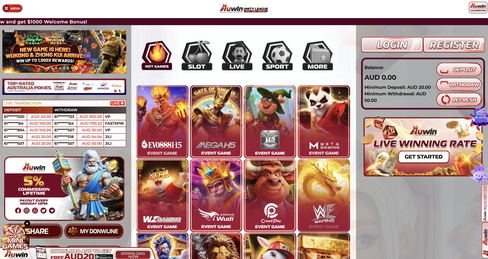
How The Lobby Feels In Motion
A good lobby does not need to look fancy. It needs to move well. You open one category, back out, search for another title, then jump into a different section without losing your bearings. Suppose you are on a train and signal strength drops for a second. If the page resets awkwardly or the menu starts jumping, that irritation sticks with you more than any graphic ever will.
And there is another detail people forget. A lobby should not constantly drag your eyes away from the thing you came to do. Search, categories, balance, and account access should hold their positions. When those basics stay stable, the whole experience becomes quieter. That quiet is valuable.
Game Choice And Session Rhythm
Game choice sounds simple until you actually use the platform for a week. One night you may want a short slot session. Another night you may want card tables, live play, or a quick browse before bed. The stronger platforms do not force one style onto every visit. They let you switch pace without making the whole site feel like a maze.
Suppose you log in after dinner and only want twenty calm minutes. You search once, open a title, test the sound settings, then check your balance and leave. That kind of short, deliberate visit works only when search is quick and the return path to the lobby stays clear. If you keep getting pushed into banners or random categories, the session starts controlling you instead of the other way around.
The rhythm of the session matters just as much as the size of the game library. Bigger is not always better. Clean navigation, readable filters, and a stable move between categories often matter more than a giant list that is hard to sort. Players remember how a site feels in motion. They remember friction.
What Auwin Reviews Trustpilot Comments Suggest
Public feedback can help, but only if you read it like a careful editor. One dramatic complaint after a bad night tells you very little. One glowing line written five minutes after a lucky run tells you even less. The more useful pattern comes from repeated detail. When several people mention the same weak cashier wording, the same slow support tone, or the same mobile annoyance, that deserves attention.
Suppose you are comparing two platforms on a Sunday afternoon and want something practical, not emotional. Start looking for overlap. Are people describing a smooth account area. Are they repeating the same confusion around money status messages. Are the comments vague, or do they describe steps you can picture on your own screen. That difference matters.
And public feedback always needs a second filter: context. Some players use desktop only. Some use older phones with crowded storage. Some log in during weak network conditions, then blame the site for every small delay. A fair reading separates personal frustration from consistent platform behaviour. That takes patience, but it gives you a truer view.
One more thing. Trust is not built from one review page alone. It comes from your own small tests. Open the site, explore the menu, check the history area, and move through the cashier path before you believe any loud claim, good or bad.
Reading Public Feedback Without Overreacting
The smartest way to read public comments is slowly. You do not need to believe every glowing sentence or every angry line. Suppose you are sitting with your phone and scrolling through opinions while deciding whether to try the platform. Keep asking one question: what problem is being described, and can I picture the exact step where it happened. Specific comments are worth more than emotional noise.
Cashier Flow And Balance Records
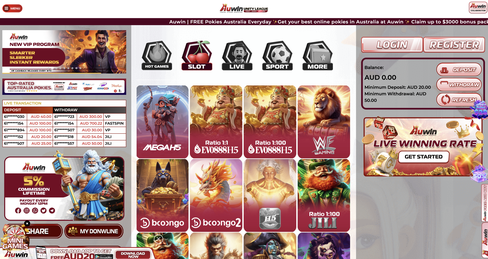
The cashier is where style stops mattering. Money pages either feel clear or they do not. You enter an amount, confirm the step, wait for the page response, then check the record trail. Suppose you make a modest deposit before a short evening session in Perth. If the amount field is clean, the confirmation step is steady, and the history updates in a readable way, confidence rises fast.
What players need here is not drama. They need plain information. The current status, the amount, the time, and a simple way to review what happened afterward. When those details are missing or written in awkward language, the platform starts feeling less mature, even if the games themselves run fine.
Area | What To Check | Why It Matters |
|---|---|---|
Deposit Page | Clear amount field and steady confirmation step | Reduces input mistakes |
Payout Request | Visible status wording and simple next steps | Cuts confusion after submission |
Transaction History | Time, amount, and current state in one view | Makes tracking easier |
Account Limits | Easy access from profile or cashier menu | Supports better control |
Help Access | Direct path from money page to support | Saves time if something feels wrong |
Deposits, Payout Requests, And Waiting Time
Waiting time becomes a problem mostly when the site explains it badly. Suppose you request a payout and then refresh the page three times because the status wording feels vague. That is where tension begins. A calmer platform keeps the current state readable so you do not feel pushed into guessing.
And the best habit for players is simple. Finish the request, check history once, then leave the page alone for a bit before doing anything else. Repeated tapping rarely helps. Clean records help. Patience helps more than most people want to admit.
Mobile Comfort On Busy Days
Mobile play is where weak design gets exposed fast. On a laptop, people forgive clutter because the screen is bigger and the pace is slower. On a phone, every extra tap feels sharper. Suppose you open the site while waiting for a ride home and only want to check your balance, review a recent transaction, and maybe open one game. If the text is cramped or the buttons shift while loading, that short visit turns annoying very quickly.
Using The Site With Weak Signal
Weak signal changes how a platform feels. You open one page, the network dips, the screen half-reloads, and suddenly you are not sure whether the last step completed. Suppose that happens while you are moving between suburban stations. A strong mobile layout recovers cleanly, keeps the main buttons visible, and does not make you repeat everything from scratch.
Returning To Saved Games Quickly
Returning to a saved title should be simple, not theatrical. You open the site, tap the account or recent-play area, and get back to the same kind of session without another long search. Suppose you have fifteen minutes before bed and do not want to browse through a dozen categories again. That quick return path can decide whether the platform feels practical or wasteful.
Support, Limits, And Personal Control
Support quality shows up before you ever write a message. It shows up in whether the help section is visible, whether common account answers are easy to find, and whether the site respects players enough to make control tools easy to reach. Suppose you feel your mood changing after a rough run and want to set a limit or pause for a while. If that tool is hidden behind several menus, the design has already failed at the exact moment it should help.
And good support is not only about speed. Tone matters. Clarity matters. A short, useful answer beats a long template that says very little. Players notice when the help route feels like a genuine tool and when it feels like a wall placed there to slow them down.
There is also the question of self-control during ordinary days, not just bad ones. A platform feels more grown-up when it makes routine boundaries easy. Deposit caps, session reminders, and account review pages are not flashy features. Still, they shape the experience more than another banner ever will. Quiet tools often do the real work.
Suppose you are having a decent session and think about extending it for "just another ten minutes." That is exactly when reminders matter. Not after the mood has already changed. The best time to set a boundary is before you need it. Sites that make that easy deserve credit, even if players rarely mention it in public comments.
And this is where a sensible routine helps most. Check the site slowly. Set your spending plan before opening the cashier. Decide how long the session will last before you enter a game. Review the history page after any money action. Then log out cleanly when you are done. That pattern sounds ordinary. It works anyway.
Who This Platform Suits Best
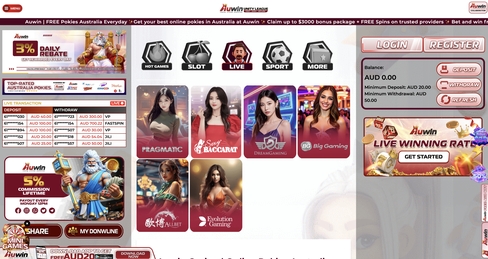
Not every player wants the same thing, and that is fine. Some want long live-table sessions with plenty of browsing. Some want a clean mobile routine and quick access to account tools. Some only care whether the site feels steady during short visits after work. Suppose you are the kind of player who values structure more than noise. Then the useful question is not "is this the loudest brand," but "does this brand let me stay organized."
That is the lens worth using in 2026. Look at the path, not the promise. Test the search, not the slogan. Check the cashier, history page, support route, and limit tools before you decide what the platform deserves from you. A calm evaluation tells you far more than a flashy first impression ever will.